Premier Air Conditioning Services to Preserve Your Home Refreshing and Comfortable Throughout the Year
Maintaining a pleasant home environment depends greatly on effective air conditioning services. Regular maintenance is essential for system efficiency and longevity. Identifying signs of potential issues can prevent costly repairs. Additionally, upgrading to energy-efficient units offers long-term savings. Various seasonal tune-ups can optimize performance. Understanding these aspects is essential for homeowners. However, many may overlook significant warning signs. What are the key indicators that indicate your system may need attention?
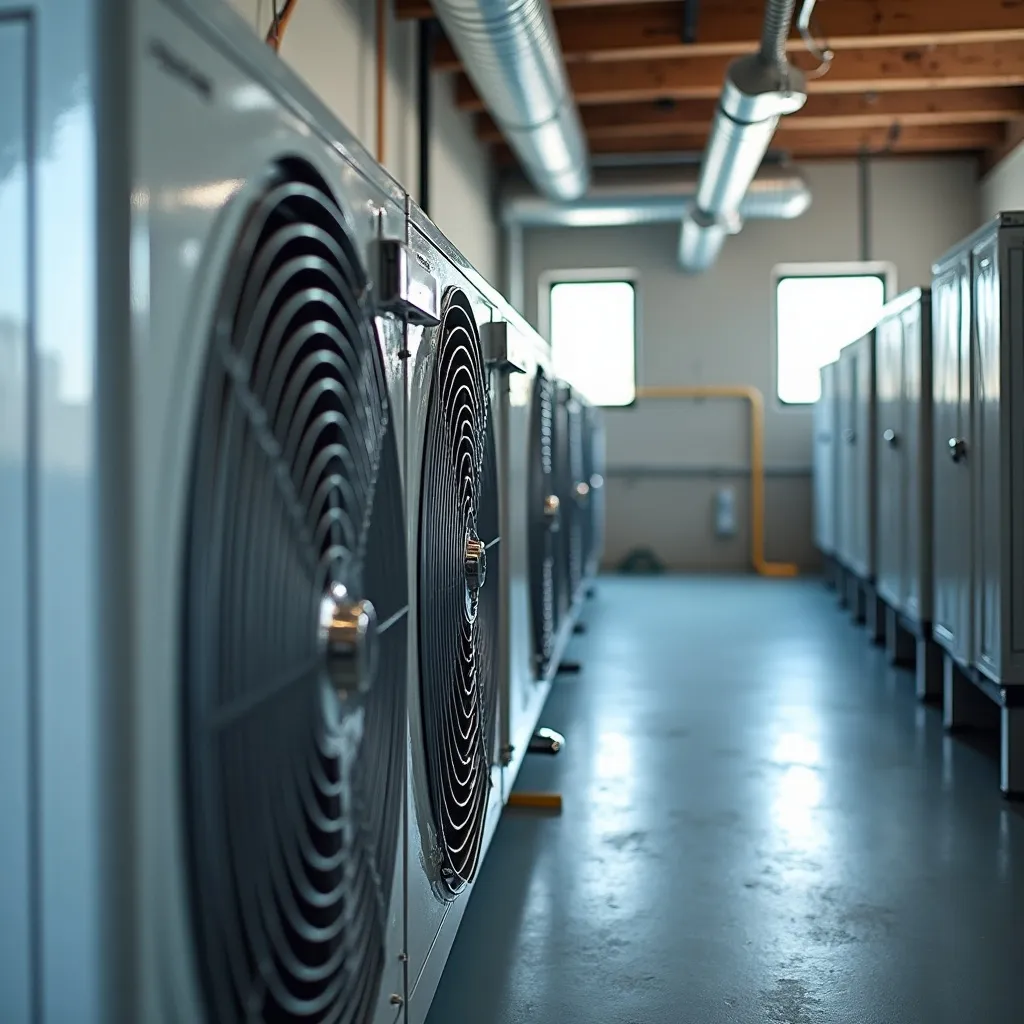
The Importance of Routine Air Conditioning Upkeep
Consistent air conditioning care is critical for superior operation and extended service life of the system. A well-maintained air conditioning unit operates more efficiently, reducing energy consumption and minimizing utility bills. Routine evaluations can avert minor issues from progressing into major problems, guaranteeing the system runs smoothly throughout the warmer months.
In addition, regular upkeep enhances air quality indoors by removing dust, allergens, and debris that build up in the setup. This is particularly important for households with respiratory concerns. Routine inspections often entail operations such as filter cleaning, refrigerant checks, and electrical component inspection, which contribute to overall system reliability.
Investing in routine maintenance not only prolongs the life of the air conditioning unit but also creates a comfortable living environment. Homeowners who emphasize consistent maintenance can enjoy peace of mind, knowing their system is equipped to manage the requirements of useful tips temperature fluctuations.
How to Identify When Your AC Needs Repair?
Recognizing when an cooling system needs repair is vital for maintaining comfort and energy efficiency. Clues like unusual noises, inconsistent temperature output, and climbing energy expenses frequently indicate latent problems. Noticing these red flags can enable homeowners take timely action before more major issues emerge.
Strange Acoustic Issues From Unit
When an air conditioning unit starts making unusual noises, it often signals potential issues that may require immediate attention. Common sounds consist of rattling, which may suggest detached parts, or hissing, suggesting a coolant escape. A grinding noise could point to motor problems, while a humming noise may signify electrical issues. These sounds not only disrupt comfort but can also lead to greater harm if neglected. Homeowners should take these signs seriously and think about contacting a professional technician to diagnose and address the underlying problems. Timely repairs can avoid additional issues and ensure the unit operates efficiently, preserving a pleasant home space year-round. Disregarding these noises may result in costly repairs eventually.
Inconsistent Heat Output
Unusual sounds from an air conditioning system can often signal other signs of trouble, such as uneven temperature levels. Homeowners may observe that certain rooms feel hotter or colder than others, indicating that the system is not distributing air uniformly. Additionally, it may take longer for the unit to reach the set temperature, causing unease. If the thermostat settings do not match with the actual room temperature, this discrepancy can signal an underlying issue. Checking for blocked vents or dirty filters is essential, as these factors can cause temperature inconsistencies. Regular maintenance and prompt attention to these signs can help guarantee the air conditioning system operates efficiently, providing a comfortable living environment all year.
Rising Energy Bills
Many homeowners might observe a sudden spike in their energy bills, which can serve as a sign that their air conditioning unit requires attention. This increased energy use is frequently attributed to several hidden problems, including clogged air filters, coolant losses, or malfunctioning components. These problems force the system to work harder to maintain the target levels, resulting in higher operational costs. Homeowners should monitor their energy bills and compare them with those from previous months or years for any discrepancies. Additionally, unexpected noises or reduced cooling efficiency can also point to the need for maintenance. Dealing with these issues without delay can not only restore efficiency but further help prevent more significant problems and expenses later, ensuring a comfortable living environment year-round.
Understanding Emergency AC Services
Emergency AC services are essential for property owners facing unexpected air conditioning breakdowns, especially during the sweltering summer months. Such assistance provide immediate assistance, ensuring that a malfunctioning unit does not compromise health and indoor comfort. Common issues needing emergency attention include refrigerant leaks, compressor failures, and electrical problems, all of which can lead to inadequate cooling or complete system shutdown.
Homeowners must understand the importance of maintaining steadfast emergency services. Immediate response times can reduce discomfort and forestall further damage to the system. Additionally, many service providers make available 24/7 availability, satisfying urgent needs regardless of the time of day.
Recognizing the clues that require emergency AC services can inspire homeowners to act quickly, ensuring their AC units function efficiently and effectively. By stressing these needs, property owners can maintain a cool, comfortable household atmosphere throughout the warmest months of the year.
Reasons to Think About Switching to Power-Saving AC Systems
Converting to energy-efficient AC units supplies major benefits, such as reduced energy bills. These state-of-the-art units operate with reduced electricity consumption and elevate air quality inside your home by way of enhanced air filtering and moisture adjustment. As homeowners look for cost-effective and healthier living environments, efficient cooling solutions stand as a compelling solution.
Cut Power Costs
Putting money into energy-efficient air conditioning units can significantly lower monthly energy bills. These modern systems make use of state-of-the-art technology to enhance energy consumption, resulting in decreased operational costs. Traditional units often lose energy, leading to inflated bills during peak usage times. Conversely, energy-efficient models are made to use less energy while ensuring high-quality cooling performance. The initial investment in such units can be recovered by major cost savings over time, making them a financially sound choice for homeowners. Additionally, many energy-efficient air conditioners come with rebates and incentives, further enhancing their cost-effectiveness. By upgrading to these units, homeowners not only contribute to environmental sustainability but also enjoy a more economical way to cool their living spaces.
Enhanced air quality indoors
Energy-efficient cooling units don’t just lower power expenses but also significantly enhance indoor air quality. These units are designed with enhanced filter technology that effectively remove dust, allergens, and pollutants, leading to cleaner air circulation within the home. By reducing humidity levels, energy-efficient models discourage mold growth and the proliferation of bacteria, contributing to a healthier living environment. Additionally, many of these units operate in a quieter manner than traditional models, cutting down noise pollution and promoting a more serene atmosphere. Upgrading to energy-efficient air conditioning systems not only supports environmental sustainability but also prioritizes the well-being of the household, making it a smart choice for homeowners seeking both comfort and health benefits.
Seasonal Maintenance for Optimal AC Efficiency
During the warmer season approaching, ensuring an air conditioning system is in prime condition becomes necessary for maintaining indoor comfort. Seasonal maintenance are important in enhancing AC functionality, boosting performance, and prolonging the unit's operational life. These detailed service sessions typically include cleaning or replacing air filters, assessing refrigerant measurements, and checking for possible leaks. Cooling professionals also review electrical components, ensure correct airflow, and inspect the evaporator and condenser coils.
Swift Fixes for Typical AC Troubles
Regular maintenance can help prevent many problems, but even well-maintained air conditioning systems can experience issues. Homeowners may encounter typical problems such as inadequate cooling, unusual sounds, or constant cycling. A quick fix for inadequate cooling often requires examining the thermostat configuration and ensuring they are adjusted properly. Additionally, inspecting and cleaning the air filters can improve airflow and performance.
For peculiar sounds, homeowners should first assess the unit for loose parts and debris. Securing bolts and clearing blockages can alleviate many noise-related issues. If the AC repeatedly cycles between on and off, inspecting the compressor and checking for refrigerant levels can offer solutions.
Ultimately, keeping the outdoor unit clear of debris can boost overall performance. While these quick fixes can address immediate problems, seeking a professional for recurring issues is wise to prevent further damage.
Methods to Increase the Longevity of Your AC System
A well-maintained air conditioning system can last considerably longer, guaranteeing comfort for homeowners year after year. Regular care is essential; this includes changing filters every one to three months to promote efficient airflow. Expert assessments should occur at least once a year to identify potential issues early.
Ensuring the outdoor unit free from debris, such as leaves and dirt, helps sustain peak performance. Homeowners should also confirm that vents and registers are clear to allow proper air circulation throughout the home.
In addition, adjusting the thermostat to a temperate temperature can ease strain on the system. Installing a programmable thermostat allows for enhanced energy management.
Finally, setting up a surge protector can safeguard the unit from electrical damage. By adhering to these methods, homeowners can greatly extend the life span of their air conditioning systems while experiencing a comfortable living environment.
Regularly Answered Questions
How what amount Does Air Conditioning Maintenance Generally Charge?
Air conditioning servicing typically costs between $75 and $200 per appointment, depending on factors like unit model and contractor. Regular maintenance can extend the system's lifespan and improve performance, eventually saving on power bills.
What Are the Indicators of a Coolant Leak?
A refrigerant leak manifests through hissing sounds, poor cooling efficiency, ice buildup on coils, and increased utility bills. These warning signs show a necessity for professional inspection to prevent continued harm to the air conditioning system.
Can I Fit an Air Conditioning System Without Assistance?
He determined that self-installing an AC unit was feasible, but demanded technical knowledge and tools. Reviewing professional standards and accounting for local codes were essential to guarantee adherence to safety protocols and installation requirements.
When Should I Replace My AC Filter Often?
Air filters typically should be replaced every one to three months, depending on usage and the kind of filter. Regular replacement enhances air quality and system efficiency, eventually extending the lifespan of the air conditioning unit.
How Much Years Can You Expect from an Air Conditioning Unit?
The average operational lifespan of an air conditioning unit commonly falls between 15 to 20 years, based on maintenance, usage, and model quality. Consistent maintenance is able to boost its durability, maintaining peak performance throughout its operational life.